
How EAV Delivers Exceptional AV Services for Events in Las Vegas
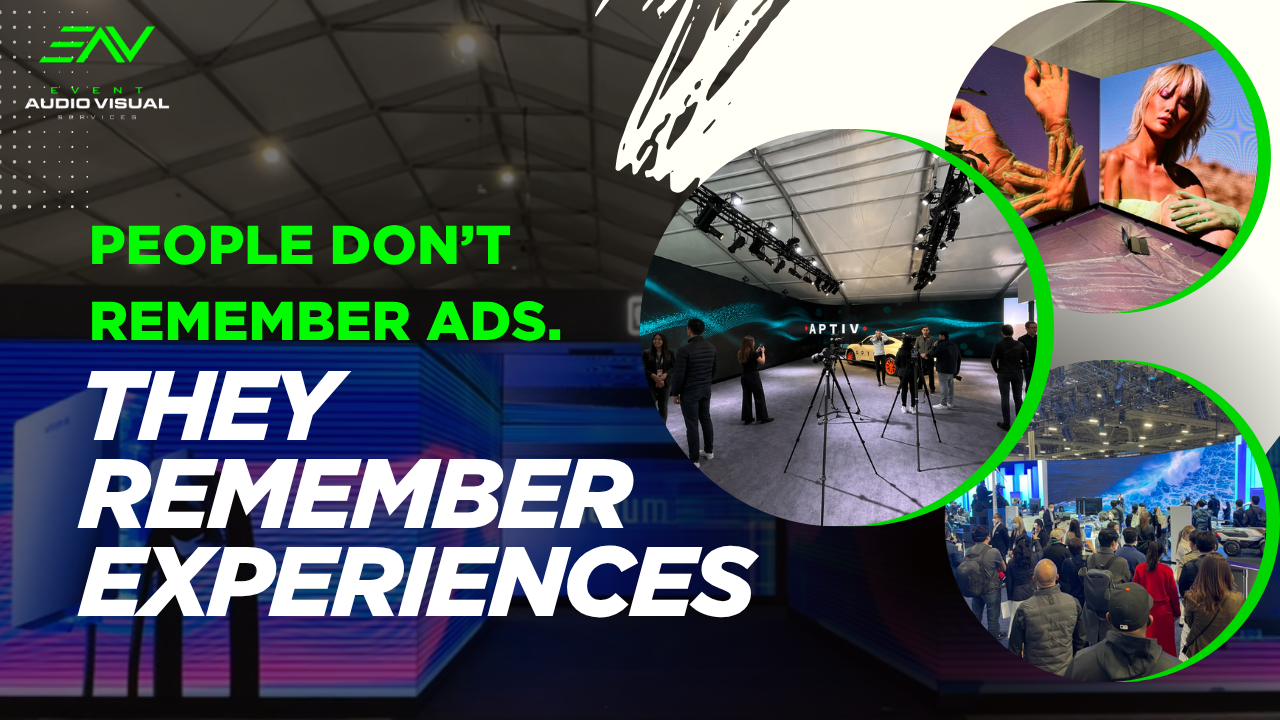
Elevating Brand Engagement with Experiential Events: The Future of Event Experiences
Why Experiential Events Are Transforming Modern Marketing
Today’s audiences expect more than advertisements, presentations, and passive event experiences. Consumers want meaningful interactions, memorable moments, and authentic connections with the brands they support.
This shift has made experiential events one of the fastest-growing strategies in modern marketing and event production.
Whether it’s a brand activation, immersive product launch, interactive pop-up experience, roadshow, festival installation, or corporate engagement event, experiential marketing allows brands to connect with audiences in ways that traditional advertising cannot.
By combining creative storytelling, immersive technology, live event production, and audience participation, experiential events transform attendees from spectators into active participants.
Quick Answer: What Is an Experiential Event?
An experiential event is a live, interactive experience designed to engage audiences through participation, immersion, and emotional connection. Unlike traditional events that focus on one-way communication, experiential events encourage attendees to interact directly with a brand through technology, storytelling, hands-on activities, and multi-sensory environments.
Experiential events are commonly used for:
- Brand activations
- Product launches
- Consumer engagement campaigns
- Trade show experiences
- Pop-up events
- Festival activations
- Roadshows and mobile tours
- Corporate brand experiences
The goal is to create memorable experiences that strengthen brand awareness, increase engagement, and drive customer loyalty.
Why Experiential Events Matter More Than Ever
Consumers are exposed to thousands of marketing messages every day. As digital advertising becomes increasingly crowded, brands need new ways to capture attention and create meaningful interactions.
Experiential events provide a powerful solution by creating real-world experiences that audiences remember long after the event ends.
Key Benefits of Experiential Events
✔ Higher audience engagement
✔ Stronger emotional connections
✔ Increased brand recall
✔ Greater social media sharing
✔ More qualified lead generation
✔ Improved customer loyalty
✔ Enhanced brand perception
Brands that invest in experiential marketing often see stronger audience participation and deeper customer relationships compared to traditional advertising channels.
How Experiential Events Drive Brand Engagement
1. Interactive Experiences Create Stronger Connections
People remember experiences far more effectively than advertisements.
Experiential events encourage attendees to:
- Touch products
- Test services
- Participate in demonstrations
- Engage with brand representatives
- Share experiences socially
These interactions help audiences build authentic relationships with brands.
When participants become part of the experience, engagement naturally increases.
2. Emotional Engagement Improves Brand Recall
Research consistently shows that emotions influence purchasing decisions.
Experiential marketing creates opportunities for brands to:
- Inspire excitement
- Create curiosity
- Build trust
- Foster community
- Generate memorable moments
The stronger the emotional response, the more likely attendees are to remember and recommend the brand.
3. Multi-Sensory Experiences Increase Impact
The most successful experiential events engage multiple senses simultaneously.
This may include:
- Dynamic lighting
- Immersive audio
- LED video walls
- Interactive displays
- Projection mapping
- Environmental design
- Augmented reality experiences
Combining visual, auditory, and interactive elements creates a deeper level of audience immersion.
The Role of Technology in Experiential Events
Modern event technology plays a critical role in creating immersive brand experiences.
LED Video Walls
Large-scale LED displays allow brands to create visually stunning environments that capture attention and reinforce messaging.
Benefits include:
- High-impact visuals
- Dynamic storytelling
- Branded content integration
- Enhanced audience engagement
Interactive Displays
Touchscreens and interactive kiosks allow attendees to engage directly with content, products, and brand experiences.
Projection Mapping
Projection mapping transforms ordinary spaces into immersive storytelling environments.
Popular uses include:
- Product reveals
- Corporate events
- Festival activations
- Brand showcases
Augmented Reality (AR) and Virtual Reality (VR)
AR and VR technologies allow audiences to experience products, environments, and stories in entirely new ways.
These technologies create highly memorable and shareable experiences.
Popular Types of Experiential Events
Brand Activations
Brand activations create direct interactions between brands and consumers.
Examples include:
- Pop-up experiences
- Interactive product demonstrations
- Community engagement events
- Influencer activations
Product Launch Events
Experiential product launches help attendees experience products firsthand rather than simply hearing about them.
This often leads to:
- Higher engagement
- Increased conversions
- Better product understanding
Festival and Cultural Activations
Brands increasingly use experiential marketing at:
- Music festivals
- Sporting events
- Community celebrations
- Industry expos
These events offer opportunities to engage large audiences in creative ways.
Roadshows and Mobile Tours
Mobile experiential campaigns bring brand experiences directly to target audiences across multiple markets.
These campaigns help brands expand reach while maintaining a consistent experience.
How Hybrid Experiential Events Expand Reach
Experiential marketing is no longer limited to physical venues.
Today’s hybrid experiences combine:
- In-person engagement
- Live streaming
- Mobile applications
- Virtual participation
- Social media integration
This approach enables brands to engage audiences both onsite and remotely.
Hybrid experiential events increase visibility while providing valuable audience data and analytics.
Measuring the Success of Experiential Events
Unlike traditional advertising, experiential events provide measurable engagement opportunities.
Key performance indicators (KPIs) include:
- Attendance numbers
- Audience participation rates
- Lead generation
- Social media engagement
- Brand sentiment
- Event app interactions
- Conversion rates
- Customer feedback
These metrics help brands evaluate ROI and improve future campaigns.
Why Partner With Event Audio Visual Services for Experiential Events
Successful experiential events require more than creative ideas.
They require expert planning, immersive technology, and flawless execution.
Event Audio Visual Services provides:
Experiential Event Production
- Full-service event management
- Creative execution
- Production logistics
Advanced AV Technology
- LED video wall rental
- Interactive displays
- Projection mapping
- Event lighting design
- Sound system solutions
Nationwide Event Support
- Brand activations
- Corporate events
- Product launches
- Roadshows
- Consumer engagement campaigns
Audience-Centered Experiences
Every experiential event is designed to maximize engagement, participation, and brand impact.
Frequently Asked Questions
What is experiential marketing?
Experiential marketing is a strategy that engages audiences through interactive, immersive experiences that create emotional connections with a brand.
Why are experiential events effective?
Experiential events encourage active participation, making experiences more memorable and increasing brand recall, engagement, and loyalty.
What types of businesses benefit from experiential events?
Businesses across industries—including technology, healthcare, retail, automotive, finance, hospitality, and consumer goods—use experiential events to strengthen customer relationships and increase brand awareness.
How do experiential events generate leads?
Experiential events encourage direct interactions, product demonstrations, data collection, app engagement, and personalized conversations that help convert attendees into qualified leads.
What technology is used in experiential events?
Common technologies include LED video walls, interactive displays, projection mapping, AR/VR experiences, event apps, digital signage, live streaming, and immersive lighting systems.
The Future of Brand Engagement Is Experiential
The future of event marketing belongs to brands that create meaningful experiences rather than simply delivering messages.
Experiential events combine storytelling, technology, interaction, and emotion to build stronger relationships between brands and audiences.
When attendees actively participate in an experience, they are more likely to remember the brand, share the experience, and take action afterward.
Whether you’re planning a product launch, brand activation, roadshow, corporate experience, or immersive marketing campaign, experiential events provide one of the most effective ways to engage modern audiences.
Don’t just host an event. Create an experience your audience will remember.
Related posts


